Contact

How we work

From site assessment to the permitting path.

Each phase adds information, tests the necessary conditions and reduces uncertainty before further resources are committed.

The starting point

Where we start

An initial assessment needs only a few details about the site. If the conditions support further work, we examine the land, grid and permitting in greater depth.

Site
Location, approximate area, access and physical characteristics.
Territory
Ownership and availability of the land, farming use, constraints and local context.
Technology
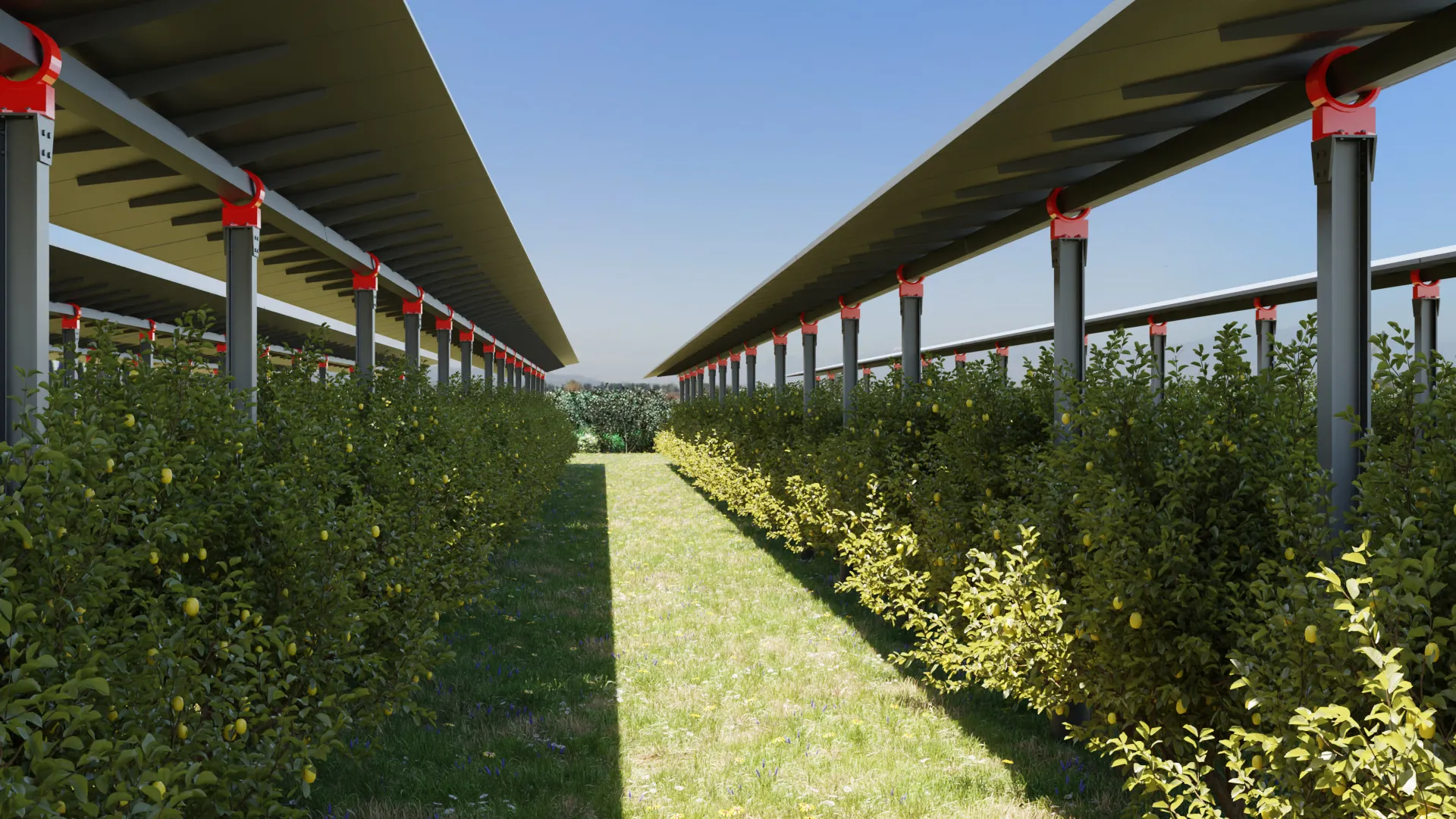
Agrivoltaics or BESS, if already identified, with any initial assumptions about configuration and scale.
Grid
Infrastructure in the area, possible connection solutions and any work already under way, if available.

Development path

Five steps, continuous checks.

The path is not automatic. Each phase produces new evidence and clarifies whether the conditions exist to proceed.

  1. Site scouting and feasibility

    We identify sites and assess their characteristics, territorial and environmental constraints, access and infrastructure to understand whether the opportunity warrants further study.

    Output
    Initial feasibility assessment.
    Decision
    The project proceeds if no conditions incompatible with development emerge.
  2. Territory and land availability

    We engage with landowners and farming operators and define the conditions required to develop the project in its local setting.

    Output
    Land availability and a clear map of stakeholders.
    Decision
    The project proceeds if ownership, farming use and development conditions are compatible.
  3. Grid connection

    We manage the connection request and assess the technical solution proposed by the network operator, the works required and their costs. We coordinate further design work and discussions with the operator.

    Output
    Technical solution received and assessed, including the general minimum technical solution (STMG) where applicable.
    Decision
    The project proceeds if the solution, works and costs are sustainable.
  4. Defining the permitting path

    We identify the applicable procedure and required studies, taking account of the site, the project and connection works. This assessment guides the design and documentation to be prepared.

    Output
    Applicable procedure and studies to carry out identified.
    Decision
    The project proceeds if the conditions allow us to prepare a coherent proposal for the authorities.
  5. Design and permitting

    We coordinate the project and specialist studies, prepare the application and follow its assessment, responding to requests for further information and any requirements until the procedure concludes.

    Output
    Conclusion of the permitting procedure.
    Outcome
    The procedure may end with a permit, a request for changes or a negative decision.

An early decision is valuable

Not every opportunity becomes a project.

We check feasibility throughout development. If an incompatible condition emerges, changing or stopping the project prevents costs and risks from carrying into later phases.

  • Incompatible territorial or environmental constraints
  • Inability to secure the site
  • An unsustainable grid connection solution
  • Incompatibility with land use or, for agrivoltaics, continued farming
  • Technical or permitting requirements that cannot be managed
  • A project that is not economically viable

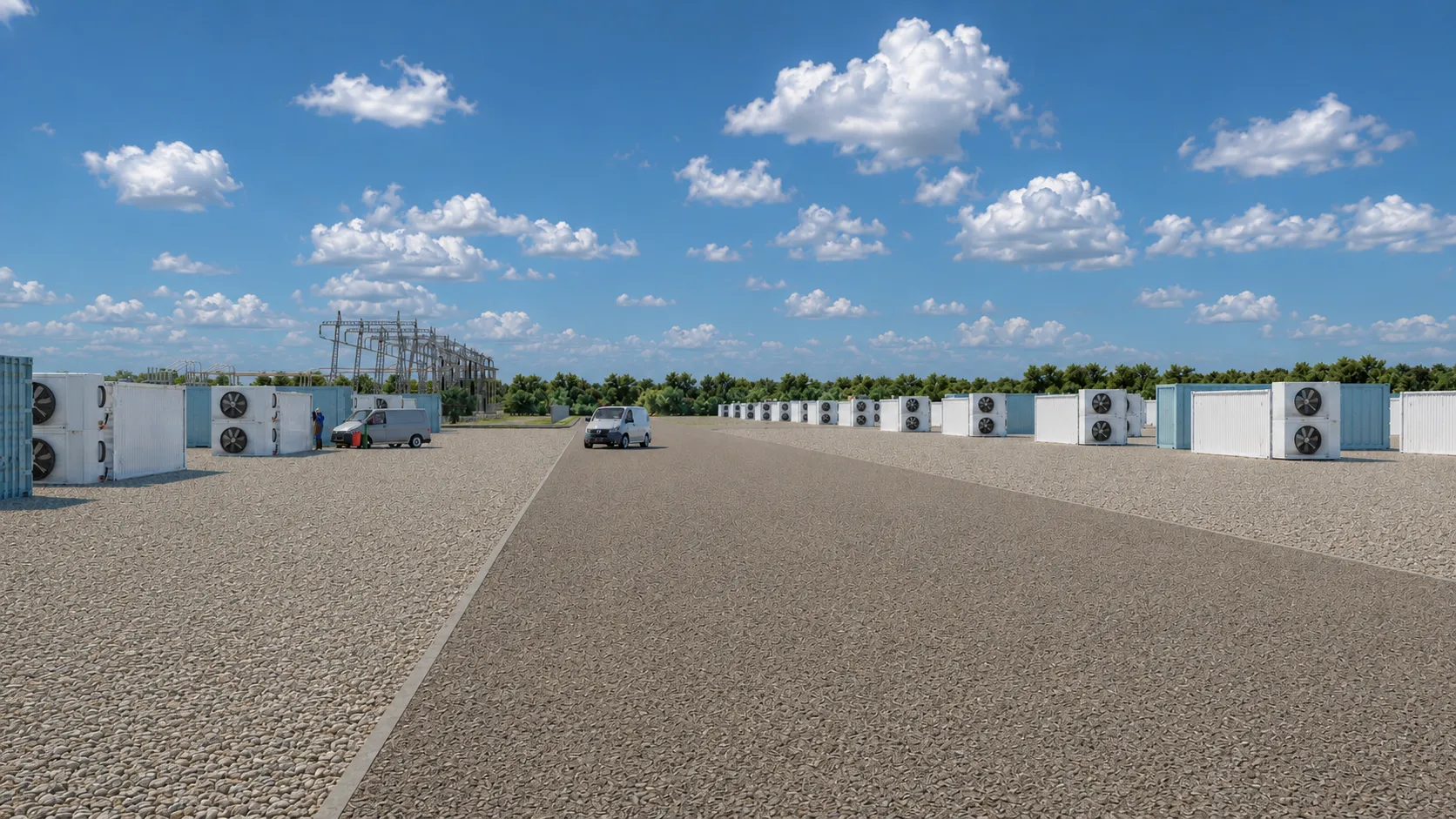
BESS screening criteria

Feasibility is built across connected conditions.

No single criterion is conclusive on its own. The assessment changes as more reliable evidence becomes available.

Site and surroundings

Location, availability, constraints, nearby uses and relationship with existing infrastructure.

Grid and connection

Available evidence, connection assumptions and the infrastructure required to reach the grid.

Access and operations

Construction access, logistics, maintenance needs and the practical use of the site.

Safety

Distances, emergency access and the specialist checks required by the proposed configuration.

Noise

Potential receptors, site relationships and the acoustic studies that may be needed.

Permitting

Applicable procedures, required documentation and issues that may affect feasibility.

BESS method and outputs

Each phase must reduce uncertainty.

  1. 01

    Frame the opportunity

    We start from the parties involved, the available evidence and the questions the assessment must answer.

    Expected outcome

    Scope and information gaps

  2. 02

    Run the initial screening

    Site, grid, safety, access, noise and permitting are considered together.

    Expected outcome

    Conditions, issues and checks required

  3. 03

    Coordinate further work

    Technical assumptions and specialist contributions are progressively aligned with the evidence.

    Expected outcome

    An updated and documented project picture

  4. 04

    Clarify the next decision

    The findings are consolidated without anticipating grid or permitting outcomes.

    Expected outcome

    A reasoned indication of whether and how to continue